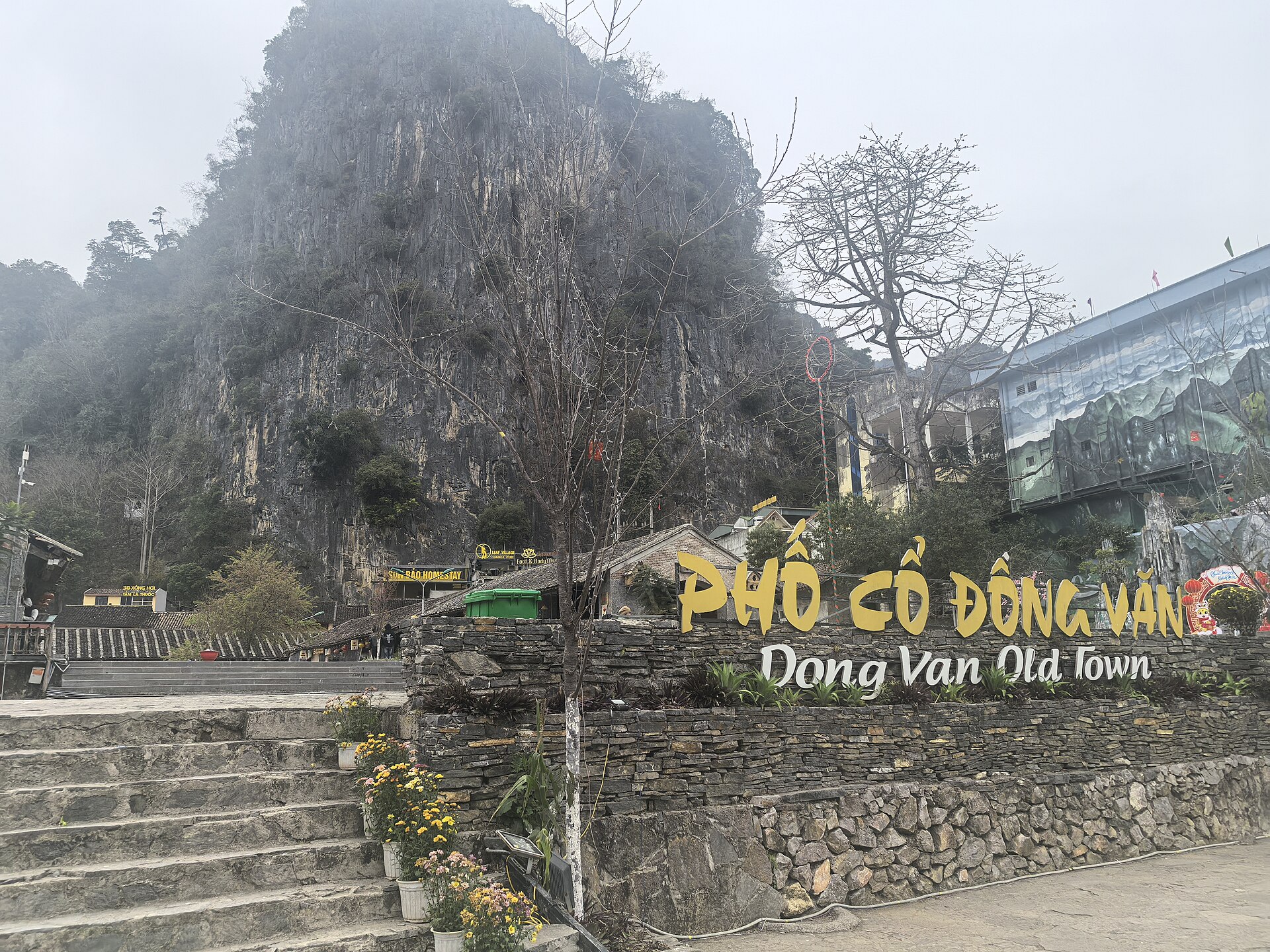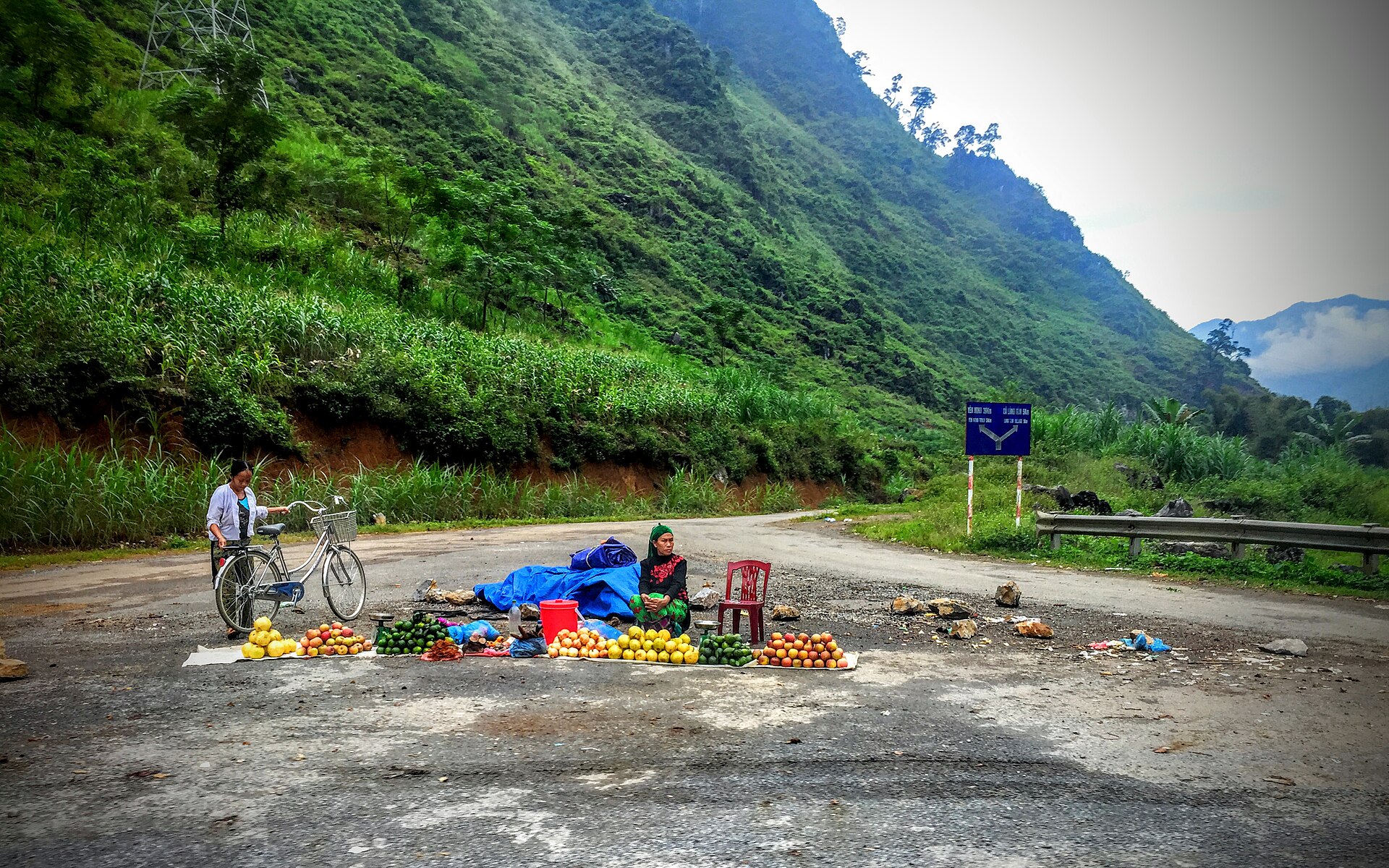
Travelling north with children changes how you measure distance: 150 kilometres from Ha Giang city to Dong Van means four to five hours of continuous mountain switchbacks, not a two-hour highway cruise. Choosing between an overnight sleeper bus, a daytime limousine, or a private SUV comes down to child restraints, boot space, and the freedom to stop before motion sickness sets in.
The story behind the journey
A sleeper bus may save a hotel night, but some children struggle to rest on winding roads. A daytime limousine can suit the main transfer routes, while a private vehicle offers more flexibility for meals and toilet breaks. Each choice has trade-offs in cost, timing and comfort.
Before booking, ask about total driving hours, pickup points, seat belts, suitable child restraints and luggage space. A seven-seat vehicle is not automatically roomy enough for every passenger and bag.
On mountain roads, an experienced driver, sensible speed and a flexible arrival time matter more than arriving at every viewpoint on the brochure. If the family is tired or fog makes a pass difficult, adjust the schedule rather than pushing on.
Family transport comparison: Hanoi to Ha Giang
These indicative prices and timings are from a planning worksheet, not independently verified current quotes. Confirm details before travelling.
| Transport Option | Travel Time & Schedule | Typical Cost (Per Seat / Vehicle) | Kid-Friendly Comfort & Safety |
|---|---|---|---|
| Daytime VIP Limousine (9–11 seats) | ~5.5 – 6 hours (departures 07:00, 13:00, 15:00) | 300,000 – 380,000 VND/seat (~$12–$15) | Best value for families—proper reclining seats with seatbelts, Old Quarter hotel pickup, and daylight rest stops |
| Overnight Cabin / Sleeper Bus | ~6 – 7 hours (departs ~21:00–22:30, arrives ~03:30–04:30 AM) | 250,000 – 400,000 VND/berth (~$10–$16) | Double cabins work for parents + small kids, but early 04:00 AM arrival requires pre-arranging an early check-in room |
| Private 7-Seat SUV / MPV | ~5.5 – 6 hours (flexible departure) | 2,800,000 – 3,500,000 VND/car (~$108–$135 one-way) | Ideal for groups of 4–5 with strollers or motion-sensitive children—you control every snack and restroom break |
- Prefer daytime travel when children need regular rest and predictable arrival times.
- Confirm seat belts and age-appropriate child restraints with the operator.
- Keep water, snacks and warm clothing within easy reach.
Three ways north, three different compromises
The sleeper bus saves daylight, but a child who cannot settle on a winding road may reach the mountains exhausted. A daytime limousine is straightforward on main routes, though several pickups can stretch the journey. A private car offers the freedom to stop for food or a toilet, at a higher cost. Before booking, look beyond photographs of reclining seats: ask about the hours on the road, seat belts, child restraints and how breaks are handled.
Compare door-to-door travel time, not the advertised departure and arrival hours. A sleeper service might include a late boarding point or an early-morning drop-off that leaves the family without a room. A shared daytime service may collect several passengers before leaving the city. A private vehicle lets you schedule breaks, but the driver still needs a legal parking space and adequate rest. Ask where the journey truly starts and ends, whether luggage is handled and what happens if weather delays arrival. The cheapest ticket is not always the cheapest usable travel day.
Child restraints and luggage are easy to overlook
A seven-seat car is not automatically spacious enough for adults, children and several large bags. Confirm boot space, seat belts for each passenger and whether a suitable child restraint is supplied or must be brought. For motion sickness, carry bags, wipes and small snacks, and avoid a heavy meal immediately before a winding stretch. A child should not travel on an adult's lap simply to make room, however short the journey.
Send the provider the ages and approximate sizes of children and ask for a written response about suitable restraints, instead of assuming a child seat exists. Ask whether the seats have individual belts, whether car seats can be installed and how much room remains for backpacks, a stroller and overnight bags. Never place hard luggage loose beside a child. Keep medicines and snacks within easy reach but stored securely. If the promised vehicle changes, check safety equipment again before boarding; a replacement vehicle is not automatically equivalent to the one shown during booking.
Mountain driving is not motorway driving
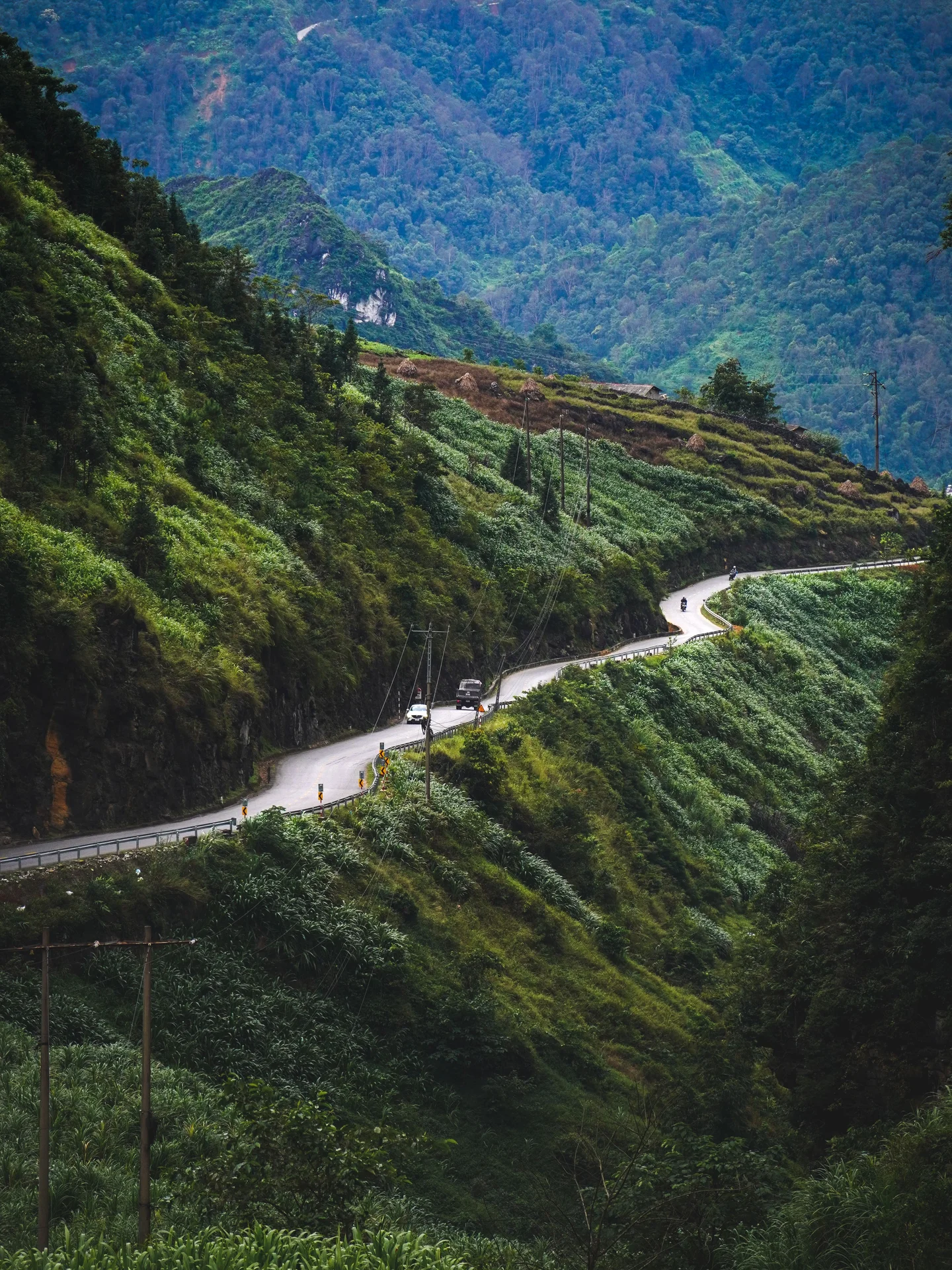
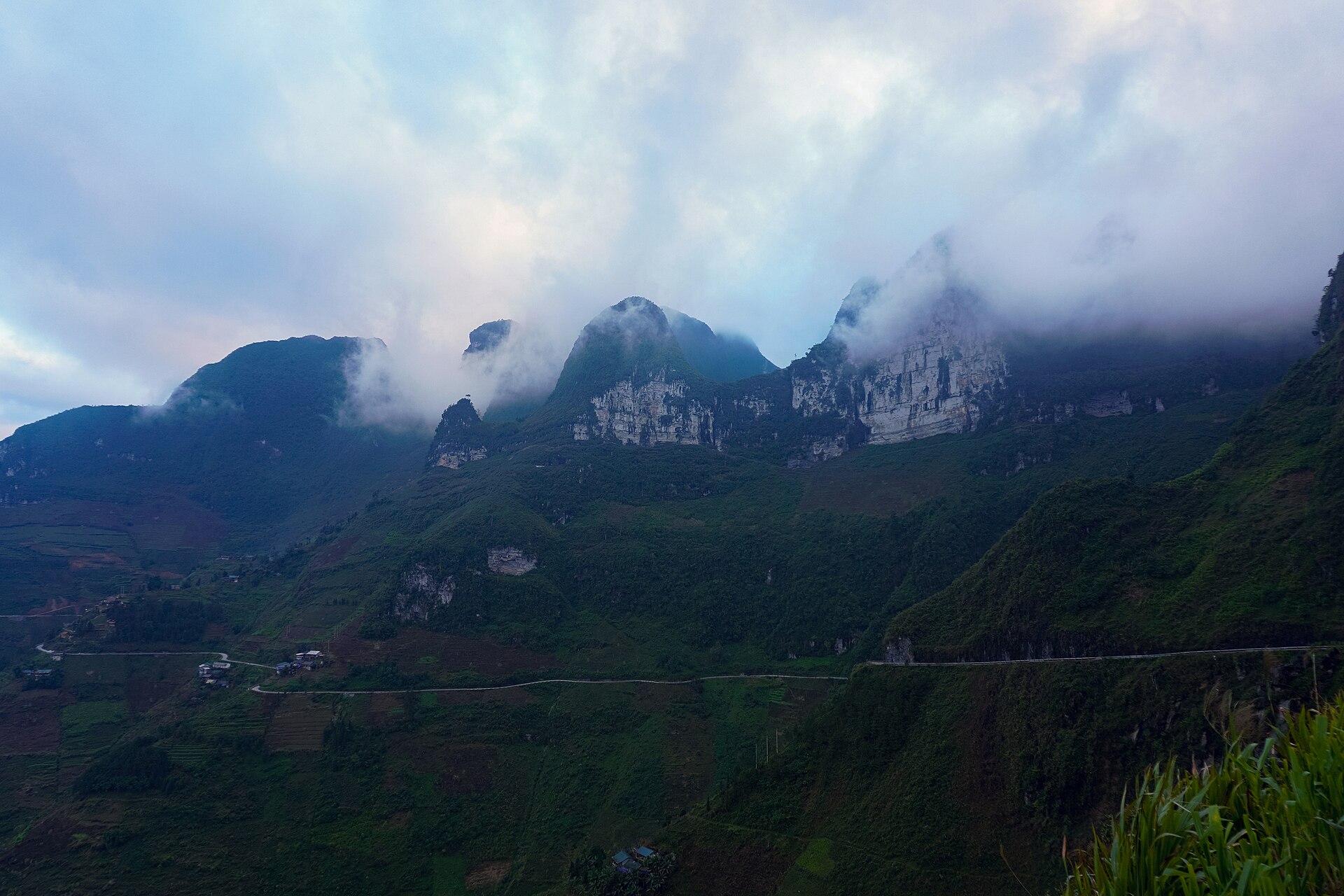
Routes towards Dong Van and other highland areas have continuous bends, long descents, fog and oncoming vehicles. The driver needs mountain-road experience, appropriate engine braking and a realistic timetable. Ask whether the operator can reroute or add a rest stop in poor weather. Aim to reach accommodation before dark where possible. When the group is tired, dropping one viewpoint is a better choice than finishing the checklist at the cost of tomorrow's energy.
Ask the driver to explain the longer mountain sections before departure so nobody assumes an urban cruising speed. A series of hairpin bends can make even a moderate distance feel tiring; plan toilet breaks where there are actual facilities. If someone becomes unwell, stop in a safe area rather than opening doors onto moving traffic. Fog, rain and road works can change the plan without warning. Keep one extra margin before check-in and do not schedule a paid activity immediately after an uncertain mountain transfer. Children usually enjoy the arrival more when the journey is unhurried.
A private-car day needs real break time
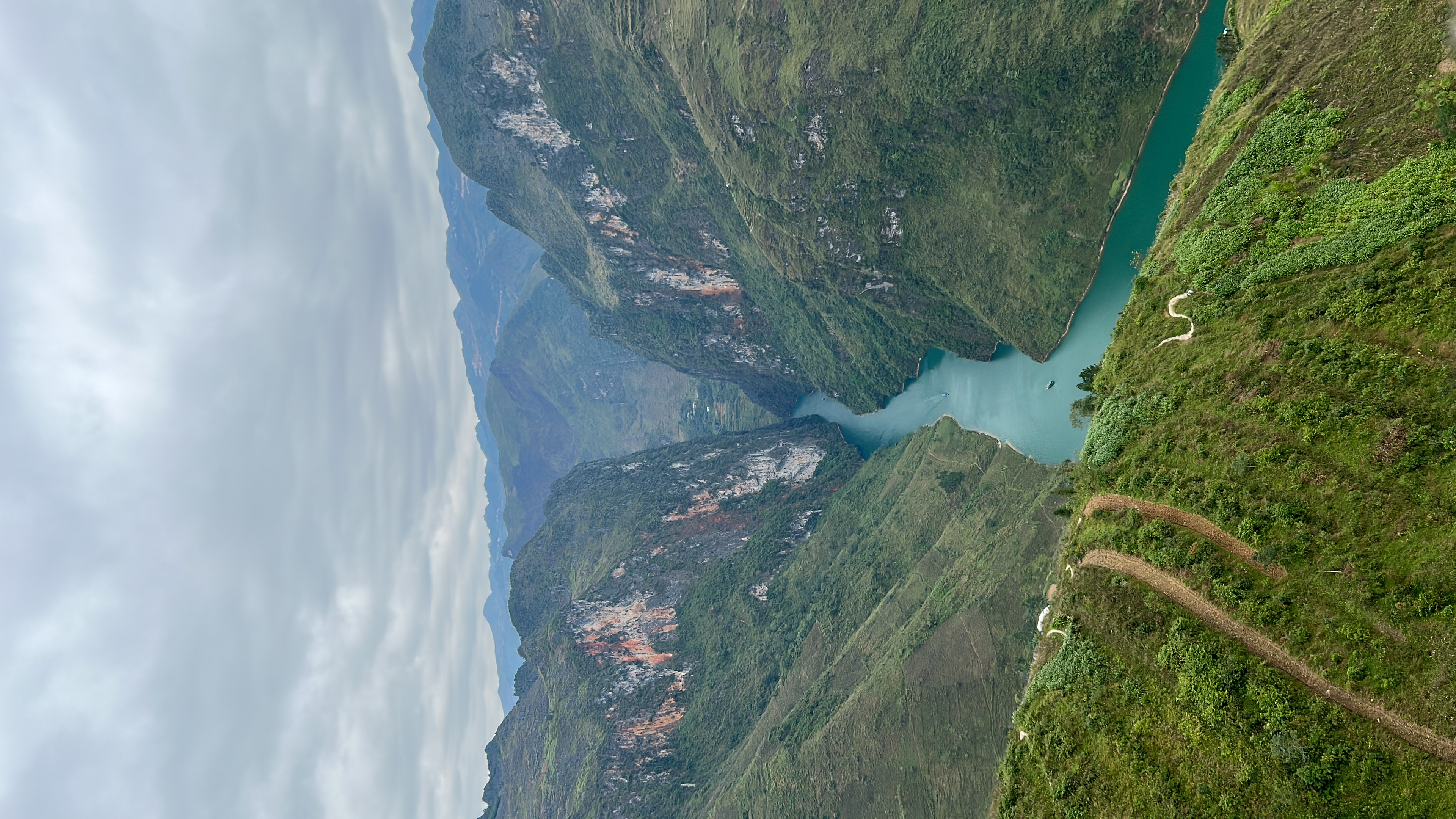
When comparing quotes, ask operators to spell out daily driving hours, expected distance and break allowances. Children may need an unscheduled stop, especially on winding roads. If the route includes Ma Pi Leng, use viewpoints with lawful parking, avoid unnecessary night driving just to reach a homestay and remember that not every map pin is a legal stopping point. Compare total costs for the same party size, including driver supplements, tolls and waiting time, rather than comparing the numbers beneath vehicle photographs.
Write an itinerary that includes breakfast, departure, driving blocks, lunch and a realistic accommodation arrival. Operators may quote a driving time that does not include the several rest stops a family needs. Ask which costs are included: driver meals, parking, overnight allowance, tolls and waiting time. Put changes in writing before the day begins; a detour requested during travel can affect both cost and safe driving hours. Carry some water and a small bag for rubbish. If the driver looks fatigued, raise the issue rather than asking them to continue for one more viewpoint.
Some stops are better left for another day
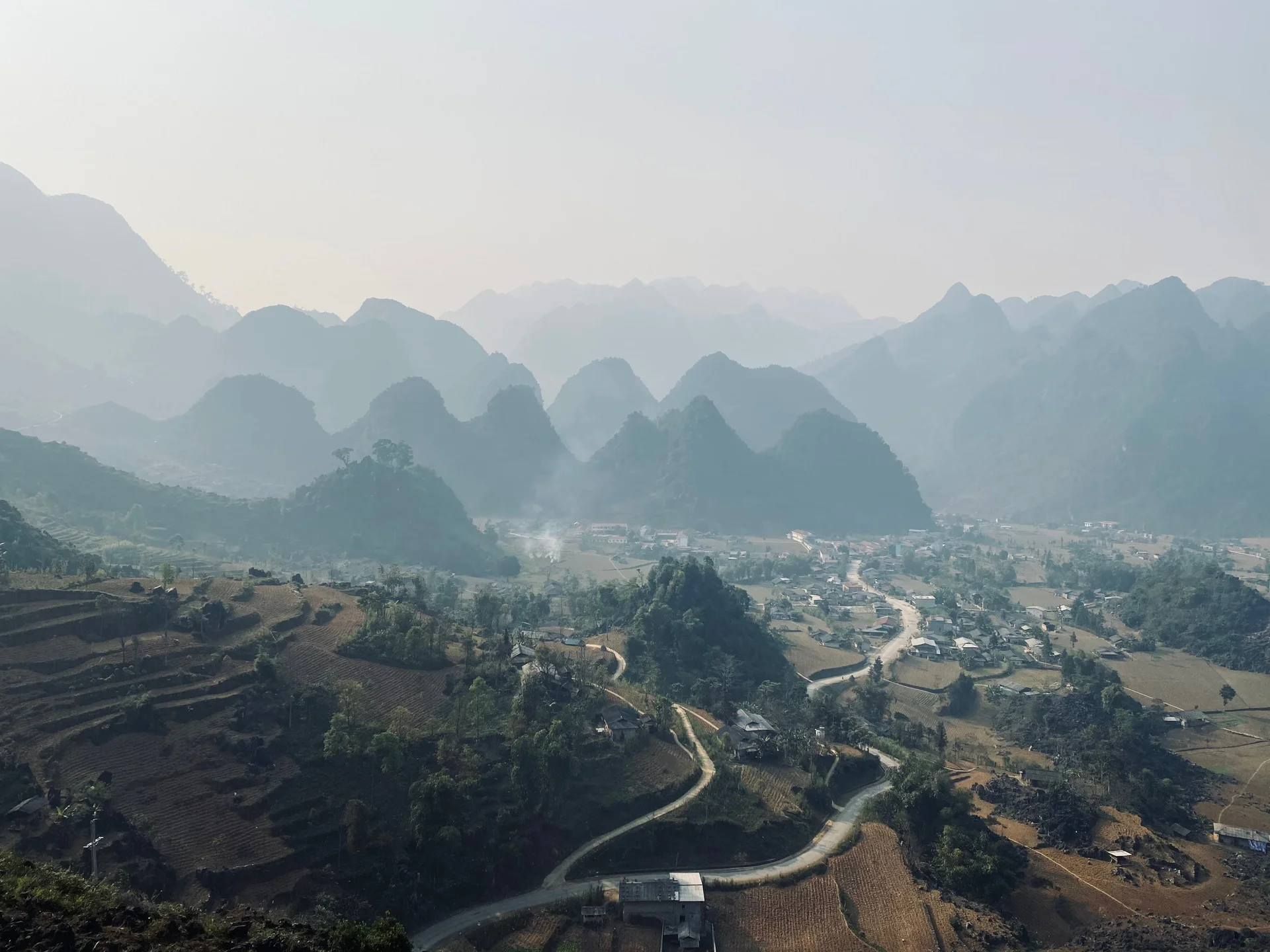
The Dong Van UNESCO Global Geopark covers a wide mountain landscape rather than one compact attraction. If a family is still in Quan Ba with a packed afternoon towards Meo Vac, consider removing a stop. Straight-line distance and kilometre counts do not capture bends, meals or children's rest needs. When an operator suggests adding another site, request an updated itinerary showing the remaining drive and realistic hotel arrival, then accept only if the group remains comfortable.
Choose one major landscape stop and one cultural stop instead of filling every gap with a pin. Older passengers may need level ground and a nearby restroom, while children benefit from somewhere they can move safely. A steep path with a stunning photograph is not necessarily suitable for a stroller or a family carrying bags. Ask whether a chosen activity can be reached without an additional shuttle or long stairway. If plans change, prioritise food, shelter and arriving before dark. Quality time at fewer locations often produces better memories than a hurried tour.
Confirm the pickup before paying
Ask whether pickup is door-to-door or at a transfer point, who handles delays and what child seat is available. Send the luggage count, stroller details and children’s ages so the operator can confirm the vehicle. Keep the written reply with the driver’s contact when available.
Before paying a deposit, send a single message listing passenger numbers, luggage pieces, pickup and drop-off addresses, exact travel dates and any child-restraint needs. Ask the company to acknowledge each important point, including where the driver will wait if the property has a narrow lane. Save the agreed schedule offline. If a change is proposed, request the replacement vehicle details before accepting it. On the travel day, call the confirmed contact rather than a random number from a search result. Clear arrangements are especially important when a transfer begins before breakfast.